
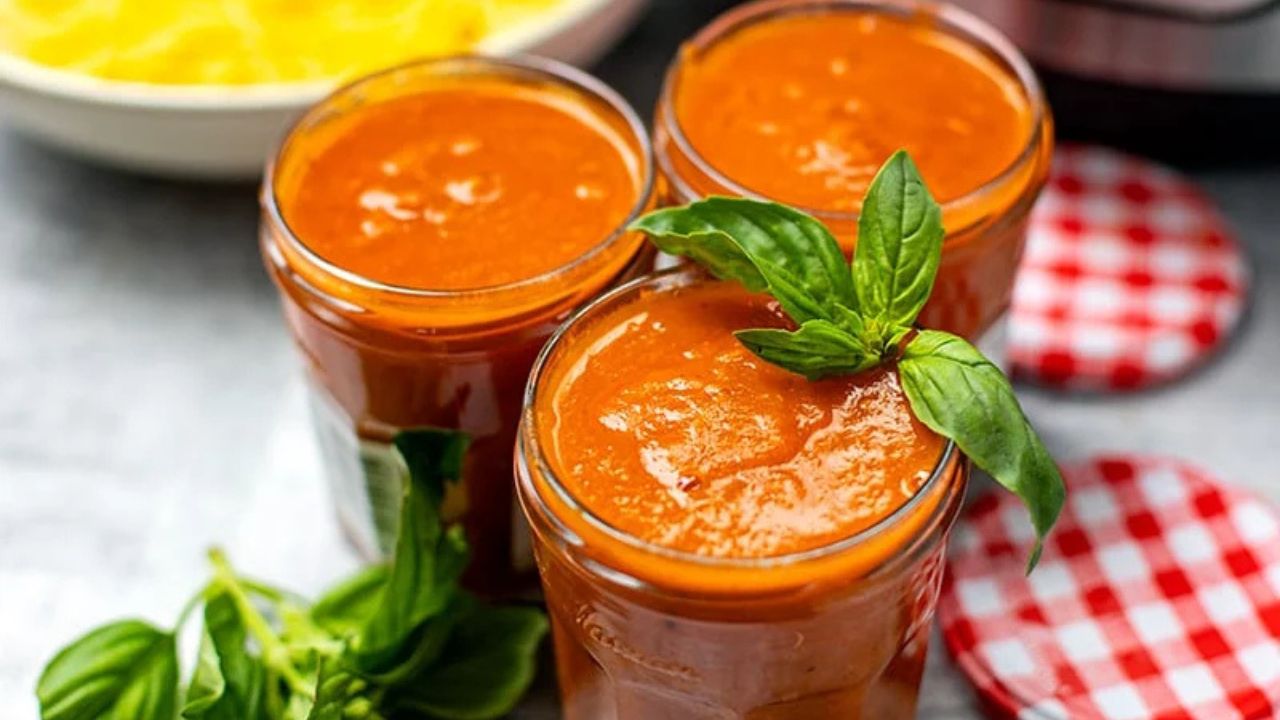
Basil, often dubbed the “king of herbs,” is renowned worldwide for its aromatic, sweet, and slightly peppery flavor. Its versatility makes it a staple in countless cuisines, especially in Italian, Thai, and Mediterranean dishes. Among the many ways to enjoy basil, one of the most delightful is in the form of a vibrant, flavorful basil sauce.
Very Incredible Basil Sauce is an epitome of this herb’s potential—bright, fragrant, and bursting with fresh flavor. It’s a versatile sauce that can elevate pasta, serve as a dip, marinade, or finishing touch on grilled meats and vegetables. Its incredible taste and aromatic profile make it a must-have in any culinary repertoire.
In this detailed guide, we will explore the origins of basil sauces, ingredients and their roles, health benefits, detailed recipes, variations, pairing ideas, and expert tips to help you craft the most incredible basil sauce at home.
1. The Origins and Cultural Significance of Basil and Basil Sauces
The Cultural Roots of Basil
Basil (Ocimum basilicum) is native to tropical regions of Central Africa and Southeast Asia. Its cultivation dates back thousands of years, with significant cultural and culinary importance across various civilizations.
- In Italy: Basil is essential in traditional dishes like pesto. It symbolizes love and good wishes.
- In Thailand: Holy basil (Ocimum sanctum) is revered for its medicinal and spiritual significance.
- In India: Basil (Tulsi) is considered sacred and used in religious rituals and ayurvedic medicine.
The Evolution of Basil Sauces
Basil’s fragrant leaves lend themselves to various sauces:
- Pesto (Italy): A blend of basil, pine nuts, garlic, Parmesan, and olive oil.
- Thai Basil Sauces: Often incorporate fish sauce, chili, and lime.
- Herb Sauces: Such as chimichurri or gremolata, sometimes include basil for freshness.
Very Incredible Basil Sauce combines the herb’s aromatic qualities with fresh ingredients, creating a versatile condiment celebrated across cuisines.
2. Ingredients and Their Roles
The magic of this sauce lies in its fresh, high-quality ingredients. Here’s a detailed breakdown:
Core Ingredients
- Fresh Basil Leaves: The star of the sauce, providing aroma, flavor, and vibrant color.
- Garlic: Adds pungency and depth.
- Nuts: Pine nuts, walnuts, or cashews, for richness and texture.
- Olive Oil: The emulsifier and carrier of flavors.
- Lemon Juice or Vinegar: For acidity, brightness, and balancing richness.
- Parmesan or Pecorino Romano (optional): Adds umami and saltiness.
- Salt and Pepper: To enhance flavors.
- Additional Herbs (optional): Parsley, mint, or cilantro for variation.
Optional Variations and Add-ins
- Chili Flakes or Fresh Chili: For heat.
- Anchovies or Capers: For umami depth.
- Vinegar or Balsamic Reduction: For a tangy twist.
- Yogurt or Cream: For creaminess and smoothness.
3. Health Benefits of the Ingredients
This sauce isn’t just flavorful; it packs nutritional power:
- Basil: Rich in antioxidants, vitamins A, C, and K, and essential oils with anti-inflammatory properties.
- Garlic: Contains allicin, known for immune-boosting and cardiovascular benefits.
- Nuts: Provide healthy fats, protein, and fiber.
- Olive Oil: A source of monounsaturated fats, supporting heart health.
- Lemon Juice: Loaded with vitamin C and antioxidants.
Note: Use high-quality, fresh ingredients for maximum health benefits and flavor.
4. Step-by-Step Preparation of Very Incredible Basil Sauce
Preparation Time: 10-15 minutes
Serving Size: Makes about 1 cup (can be doubled or tripled)
Ingredients:
- 2 cups fresh basil leaves, packed
- 2-3 cloves garlic, peeled
- ¼ cup pine nuts or walnuts (or cashews for a different flavor)
- ½ cup extra virgin olive oil
- 1-2 tbsp lemon juice (or vinegar)
- ¼ cup grated Parmesan cheese (optional)
- Salt and freshly ground black pepper to taste
- Optional: chili flakes, additional herbs
Equipment:
- Food processor or high-speed blender
- Spatula
- Measuring cups and spoons
- Lemon juicer (if using fresh lemon juice)
Instructions:
Step 1: Prepare the Ingredients
- Rinse the basil leaves thoroughly in cold water and pat dry with a clean towel.
- Peel the garlic cloves.
- Measure out the nuts and cheese if using.
Step 2: Toast the Nuts (Optional)
- For enhanced flavor, lightly toast the nuts in a dry skillet over medium heat for 2-3 minutes until fragrant and golden. Let cool.
Step 3: Blend the Base
- Place the basil leaves, garlic, toasted nuts, and a pinch of salt into the food processor or blender.
- Pulse a few times to break down the ingredients.
Step 4: Incorporate the Olive Oil
- With the processor running, slowly drizzle in the olive oil until the mixture reaches a smooth, pesto-like consistency.
- Scrape down the sides as needed.
Step 5: Add Acidity and Cheese
- Add lemon juice or vinegar.
- Incorporate grated Parmesan cheese if using.
- Blend briefly to combine.
Step 6: Season and Adjust
- Taste the sauce and adjust salt, pepper, and acidity as desired.
- If too thick, add a little more olive oil or water to thin.
Step 7: Serve or Store
- Transfer to a jar or container.
- Use immediately or store in the refrigerator for up to a week.
- Cover with a thin layer of olive oil to preserve freshness.
5. Variations and Customizations
Vegan Version: Omit cheese or substitute with nutritional yeast for cheesy flavor.
Nut-Free: Use sunflower seeds or pumpkin seeds instead of nuts.
Spicy Twist: Add red chili flakes or fresh chopped chili.
Creamy Version: Mix in Greek yogurt or coconut milk for a creamier texture.
Herb Variations: Mix basil with parsley, cilantro, or mint to create flavor profiles suited to different dishes.
Vinegar or Balsamic: Swap lemon for balsamic vinegar for a deeper, sweeter acidity.
6. Culinary Uses and Pairings
Pasta: Toss with spaghetti, penne, or linguine for a quick, flavorful dish.
Dips: Serve as a dip with breadsticks, crostini, or fresh vegetables.
Marinade: Use to marinate chicken, fish, or tofu before grilling.
Pizza Topping: Drizzle over pizza before serving.
Sandwiches and Wraps: Spread inside for fresh flavor.
Salads: Use as a dressing or drizzle over greens and roasted vegetables.
Meat and Seafood: Spoon over grilled chicken, steak, or shrimp.
7. Pairing Suggestions
- Wine: Pair with crisp white wines like Sauvignon Blanc, Pinot Grigio, or Vermentino.
- Bread: Serve with crusty baguette, focaccia, or pita.
- Cheese: Complement with soft cheeses like mozzarella or burrata.
- Additional Sides: Roasted vegetables, grilled asparagus, or caprese salad.
8. Tips and Tricks for Perfecting Your Basil Sauce
- Use Fresh Basil: Quality and freshness are key; avoid wilted or yellowed leaves.
- Balance Flavors: Adjust acidity, salt, and herbs to suit your palate.
- Control Oil: Add olive oil gradually to achieve the desired consistency.
- Store Properly: Keep in an airtight container, topped with a thin oil layer to prevent browning.
- Avoid Overprocessing: Blend just enough to retain some texture if preferred.
- Experiment: Don’t hesitate to tweak ingredients for unique flavors.
9. Nutritional Information
Per serving (about 2 tablespoons):
- Calories: ~120-150 kcal
- Healthy fats: ~12g
- Protein: ~3g
- Carbohydrates: ~2-4g
- Vitamins: Rich in vitamin A, C, K, and antioxidants
Note: Nutritional values vary based on ingredients used and serving sizes.
10. Final Thoughts and Inspiration
Very Incredible Basil Sauce is more than just a condiment; it’s a celebration of fresh herbs and vibrant flavors. Its versatility makes it suitable for an array of dishes, from simple pasta to complex grilled meats. The key to mastering this sauce lies in selecting the freshest ingredients, balancing flavors, and adjusting to your personal taste.
Whether you are making a quick weeknight dinner or preparing a sophisticated appetizer platter, this basil sauce adds a burst of freshness and aroma that elevates any dish. Its incredible taste and adaptability make it a staple in your culinary arsenal.
Appendix: Troubleshooting and FAQs
Q: My basil sauce tastes bitter. What went wrong?
A: Use fresh, bright green basil leaves. Avoid overprocessing, which can cause oxidation. Also, balance acidity and salt properly.
Q: How do I prevent basil from turning brown?
A: Store the sauce in an airtight container topped with a thin layer of olive oil. Adding lemon juice also helps prevent browning.
Q: Can I freeze basil sauce?
A: Yes, freeze in ice cube trays for convenient single servings. Thaw as needed.
Q: Can I make basil sauce without nuts?
A: Absolutely. Use sunflower seeds or omit entirely; increase olive oil slightly for smoothness.
Final Words
Very Incredible Basil Sauce epitomizes the fresh, fragrant, and versatile qualities of basil. With its bright flavors, easy preparation, and countless uses, it is a culinary gem that brings a touch of freshness to your dishes. Experiment, personalize, and enjoy the incredible taste of this herbaceous delight!