
Introduction
Thai cuisine is renowned worldwide for its vibrant flavors, harmonious balance of sweet, sour, salty, and spicy elements, and its use of fresh ingredients. Among the many popular dishes, stir fry recipes hold a special place for their quick preparation, versatility, and bold taste profiles. One such dish that encapsulates the essence of Thai flavors is Red Curry Chicken Stir Fry with Spicy Cashew Sauce.
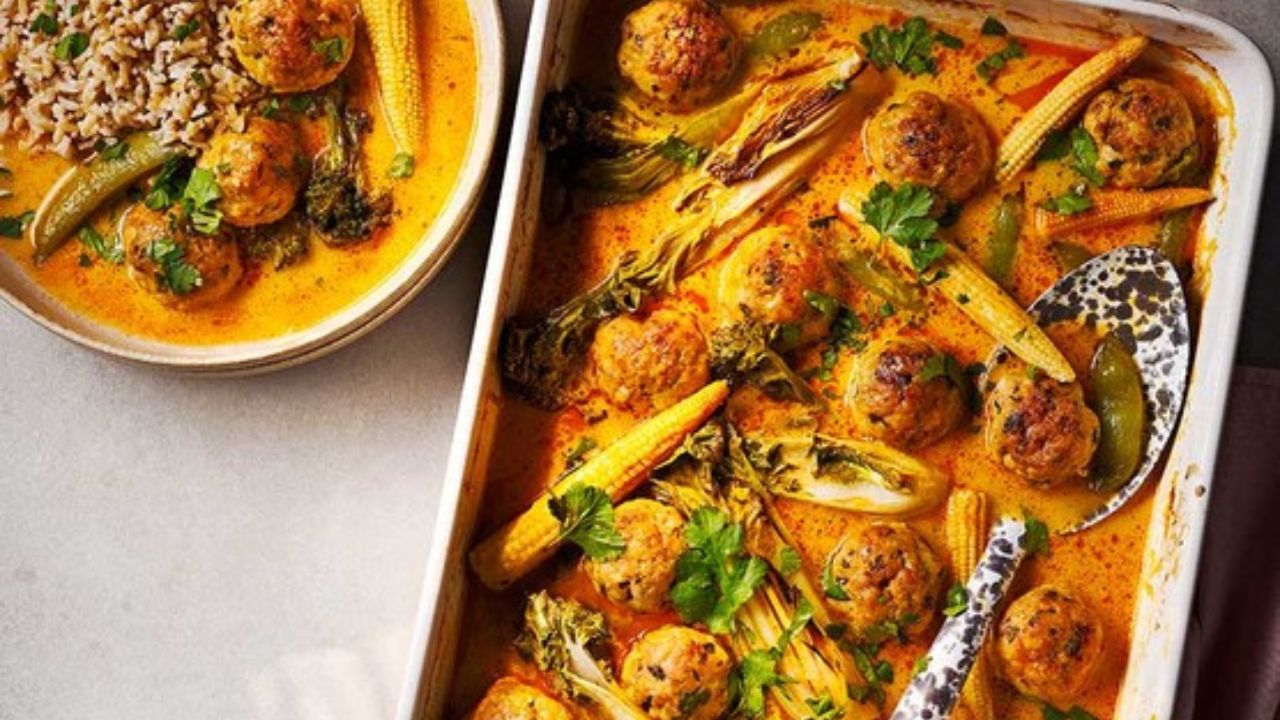
This dish combines tender chicken pieces cooked in fragrant red curry paste, stir-fried vegetables, and topped with a rich, spicy cashew sauce. It offers a delightful mix of heat, creaminess, crunch, and aromatic spices—perfect for those who love bold flavors and quick weeknight dinners.
In this comprehensive guide, we will explore the origins of Thai red curry, the components of the spicy cashew sauce, detailed step-by-step instructions to make this dish at home, variations to customize it to your taste, health benefits, pairing suggestions, and tips to perfect your stir-fry skills.
1. The Origins and Cultural Significance of Red Curry and Cashews in Thai Cuisine
The Rich Heritage of Thai Curries
Thailand boasts a rich culinary history, with curries being a cornerstone of traditional dishes. Thai curries are distinguished by their use of fresh herbs, spices, and aromatic pastes. Red curry, known locally as “Gaeng Phed”, is one of the most popular types, characterized by the use of red chili peppers, coconut milk, and a blend of spices.
Red curry paste is a flavorful base made from dried red chilies, garlic, shallots, lemongrass, galangal, coriander roots, cumin, and other ingredients. It provides the dish with its signature fiery hue and spicy kick.
The Role of Cashews in Thai Cooking
Cashews are native to Thailand and are widely used in Thai dishes such as Cashew Nut Chicken and Cashew Nut Tofu. They add a buttery crunch, nutty flavor, and textural contrast to dishes. Cashews are also rich in healthy fats, protein, vitamins, and minerals, making them a nutritious addition.
In this dish, spicy roasted cashews serve as a topping or mixed-in ingredient, enhancing the dish’s richness and adding a satisfying crunch.
2. Ingredients and Their Roles
Understanding the ingredients is essential for creating an authentic and flavorful dish. Here’s a detailed breakdown:
Main Ingredients
- Chicken Breast or Thighs: Preferably boneless and skinless, sliced into strips or bite-sized pieces. Chicken provides lean protein and absorbs flavors well.
- Red Curry Paste: The flavor foundation, providing heat, aroma, and depth.
- Coconut Milk: Adds creaminess, balances spice, and imparts a subtle sweetness.
- Vegetables: Common choices include bell peppers, snow peas, carrots, onions, or broccoli.
- Spicy Cashew Sauce: Made from roasted cashews, chili, garlic, and other flavorings.
- Oil: Typically vegetable or coconut oil for stir-frying.
- Fish Sauce or Soy Sauce: For umami and seasoning.
- Lime Juice: Adds brightness and acidity.
- Sweetener: Honey or palm sugar to balance flavors.
- Fresh Herbs: Cilantro, Thai basil, or mint for garnish.
- Chili Flakes or Fresh Chili: Optional, for extra heat.
- Toasted Cashews: For topping or garnish.
Additional Ingredients for Customization
- Ginger or Galangal: For extra aromatic depth.
- Lemongrass: Adds citrusy fragrance.
- Vegetables of choice: Zucchini, baby corn, or bean sprouts.
- Rice or Noodles: To serve as a base.
3. Health Benefits of Ingredients
This dish isn’t just flavorful; it offers numerous health benefits:
- Chicken: High in lean protein, supports muscle growth and repair.
- Coconut Milk: Contains healthy fats called medium-chain triglycerides (MCTs), which may boost energy and metabolism.
- Cashews: Rich in monounsaturated fats, magnesium, and antioxidants.
- Vegetables: Provide fiber, vitamins, and minerals essential for overall health.
- Spices (Chili, Garlic, Lemongrass): Have anti-inflammatory, antimicrobial, and antioxidant properties.
Note on Moderation
While healthy, coconut milk and cashews are calorie-dense, so portion control is key if you’re mindful of calorie intake.
4. Step-by-Step Cooking Instructions
Preparation time: 20-30 minutes
Cooking time: 15-20 minutes
Servings: 4
Step 1: Gather and Prep Ingredients
- Slice chicken into thin strips or bite-sized pieces.
- Chop vegetables into uniform pieces for even cooking.
- Mince garlic and ginger (if using).
- Roast cashews lightly if not pre-roasted.
- Prepare curry paste and sauce ingredients.
Step 2: Make the Spicy Cashew Sauce
- In a blender or food processor, combine:
- ½ cup roasted cashews
- 2 dried red chilies or 1-2 tsp chili flakes (adjust to taste)
- 2 cloves garlic
- 1 tbsp lime juice
- 1 tbsp honey or palm sugar
- 2 tbsp water or coconut milk
- Pinch of salt
- Blend until smooth. Adjust thickness by adding more water or coconut milk as needed.
Tip: You can prepare the spicy cashew sauce separately ahead of time for convenience.
Step 3: Stir-Fry the Chicken
- Heat a wok or large skillet over medium-high heat.
- Add 1-2 tbsp oil.
- When hot, add chicken pieces. Cook until browned and cooked through, about 5-7 minutes.
- Remove chicken and set aside.
Step 4: Cook the Vegetables
- In the same wok, add a little more oil if necessary.
- Add harder vegetables first (e.g., carrots, bell peppers) and stir-fry for 2-3 minutes.
- Add softer vegetables (e.g., snow peas, onions) and cook until just tender but still crisp.
Step 5: Incorporate Curry Paste and Coconut Milk
- Push vegetables to the side; add 1-2 tbsp of red curry paste to the center.
- Fry the curry paste for 1-2 minutes until fragrant.
- Mix with vegetables.
- Pour in 1 can (13.5 oz) of coconut milk.
- Stir well to combine and simmer for 3-5 minutes until flavors meld.
Step 6: Add Chicken and Seasonings
- Return cooked chicken to the wok.
- Add 1-2 tbsp fish sauce or soy sauce.
- Squeeze in lime juice.
- Add a teaspoon of honey or palm sugar.
- Adjust seasoning to taste.
- Simmer for another 2-3 minutes.
Step 7: Serve with Spicy Cashew Sauce and Garnish
- Plate the stir fry over steamed jasmine rice or rice noodles.
- Drizzle or dollop the spicy cashew sauce on top.
- Garnish with toasted cashews, fresh cilantro, Thai basil, or sliced chili peppers.
5. Variations and Customizations
Adjust spice levels: Add more or less chili, or incorporate fresh Thai chilies for authentic heat.
Vegetarian/Vegan Version: Substitute chicken with tofu, tempeh, or vegetables like zucchini or mushrooms. Use plant-based coconut milk and ensure sauces are vegan.
Different Protein Options: Shrimp, beef strips, or pork tenderloin can be used instead of chicken.
Add Fruit: Pineapple chunks or mango slices can add a sweet contrast.
Make it Creamier: Increase coconut milk or add a splash of coconut cream.
Change the Nuts: Use almonds or peanuts if preferred.
6. Serving Suggestions and Pairings
Rice and Noodles
- Steamed Jasmine Rice: The classic pairing, soaking up the sauce’s richness.
- Thai Jasmine or Basmati Rice: For aromatic flavor.
- Rice Noodles: For a more authentic, Asian-inspired presentation.
- Quinoa or Cauliflower Rice: For a healthier twist.
Side Dishes
- Thai Papaya Salad (Som Tum): Fresh, tangy, and spicy.
- Spring Rolls: Light appetizer to complement the main dish.
- Steamed Green Beans or Bok Choy: For added greens.
Beverage Pairings
- Thai Iced Tea or Iced Coffee: Refreshing and complements spicy dishes.
- Light Beer or Lager: Cuts through heat and refreshes palate.
- Sparkling Water with Lime: Non-alcoholic, cooling option.
7. Tips for Perfecting Your Stir Fry
- Prep Ahead: Have all ingredients chopped and ready before cooking.
- High Heat: Use high heat to achieve quick stir-frying, locking in flavors and keeping vegetables crisp.
- Don’t Overcrowd: Cook in batches if necessary to prevent steaming.
- Taste as You Go: Adjust seasonings and spice levels during cooking.
- Use a Wok or Large Pan: For even heat distribution and easy tossing.
- Balance Flavors: Remember to taste and adjust salt, acidity, and sweetness.
8. Health and Nutrition Insights
This dish offers a balanced intake of protein, healthy fats, and vegetables, making it a nutritious choice. Coconut milk provides MCTs that can boost energy, and cashews contribute healthy monounsaturated fats and antioxidants.
However, be mindful of portion sizes and sodium content from sauces. To make it healthier:
- Use light coconut milk.
- Limit added salt.
- Incorporate more vegetables.
- Serve with whole grains.
9. Final Thoughts and Culinary Inspiration
Red Curry Chicken Stir Fry with Spicy Cashew Sauce is a vibrant, satisfying dish that captures the essence of Thai cuisine. Its combination of aromatic spices, creamy coconut, crunchy nuts, and tender chicken creates a symphony of flavors and textures.
Whether you are a beginner or an experienced cook, mastering this dish allows you to bring authentic Thai flavors to your kitchen quickly and easily. Experiment with ingredients, spice levels, and presentation to make it uniquely yours.
Enjoy the process, and savor every bite of this culinary masterpiece!
Appendix: Tips for Shopping and Ingredient Selection
- Fresh Ingredients: Always select fresh herbs, vegetables, and high-quality meats for the best flavor.
- Red Curry Paste: Look for authentic Thai brands for an authentic taste.
- Coconut Milk: Choose full-fat for richness; brands vary in sweetness.
- Cashews: Use raw or roasted, depending on your preference; toast lightly for extra flavor.
Bonus: Variations on the Classic Recipe
1. Gluten-Free Version: Ensure soy sauce is gluten-free or substitute with coconut aminos.
2. Spicy Level Adjustment: Use fewer or more chili peppers.
3. Extra Herby Flavor: Add fresh Thai basil, mint, or cilantro at the end.
4. Creamy Coconut Broth: Add a splash of coconut cream for extra richness.
Final Notes
Cooking is an art and a science. Don’t hesitate to adjust ingredients and flavors to suit your palate. With practice, you’ll create a stunning, flavorful Red Curry Chicken Stir Fry with Spicy Cashew Sauce that rivals restaurant quality.
Bon appétit!